
Lessons to Unlearn
What I’m Letting Go of to Build a Better Relationship With Food

Working on an upcoming podcast on Intuitive Eating - I made a list of the programming that disconnects us from our body’s cues. They were so universal, that they deserve time in the spotlight. These are many of the things that derail you.
Self talk or guidelines from parents and society - get repeated - become beliefs - then inform our actions. But these lessons we need to unlearn to connect to your body’s signals around what it needs regarding food.
Unlearn: “Clean your plate”
With this later in life, it can become really hard to tell the difference between “I’m still hungry” and “I just don’t want to leave food behind.” The truth is your body is allowed to be done before your plate is empty.
A simple task: At each meal this week, leave 2-3 bites behind.
Unlearn: “Calories are everything”
Reducing food to numbers, cheats your bodies of nourishment. More important than the calories is how wide the kaleidoscope of nourishment does this food give.
Calories cannot tell us how a food supports your hormones, your digestion, your energy, your satisfaction, your focus, your mood, your sense of peace.
A simple task: Choose one meal this week based on how you want to feel afterward — steady, satisfied, energized, comforted — instead of choosing it based on calories.
Unlearn: “Fat makes you fat”
So many people were taught to fear fat before they ever understood what it actually does in the body. Fat helps satiety. It supports hormones. It helps with brain health. And honestly, it also makes food taste good, which matters more than people like to admit.
A simple task: Add one satisfying fat to a meal this week — olive oil, avocado, nuts, seeds, salmon, nut butter — and notice how it affects your fullness and satisfaction. (and you won’t gain).
Unlearn: “Eat less”
This message is everywhere, even disguised as health advice.
But what if “less” is not what your body needs?
What if the exhaustion, cravings, irritability, and constant food thoughts are signs that you’ve been undernourished for too long?
I think a lot of people have spent years trying to control their bodies with less, when what they actually needed was more support, more stability, more nourishment, more consistency.
A simple task: At one meal today, don’t ask, How can I make this smaller? Ask, What would make this meal more nourishing?
Unlearn: “You earned dessert”
I really want us to let this one go. Once dessert becomes a reward, it also becomes emotionally loaded. It starts to carry power.
What if dessert was just dessert? What if enjoying food was part of being human, not proof that you’ve done something wrong or right?
A simple task: If you want dessert this week, choose to have it because you want it. Don’t choose it for emotions, reward, or punishment.
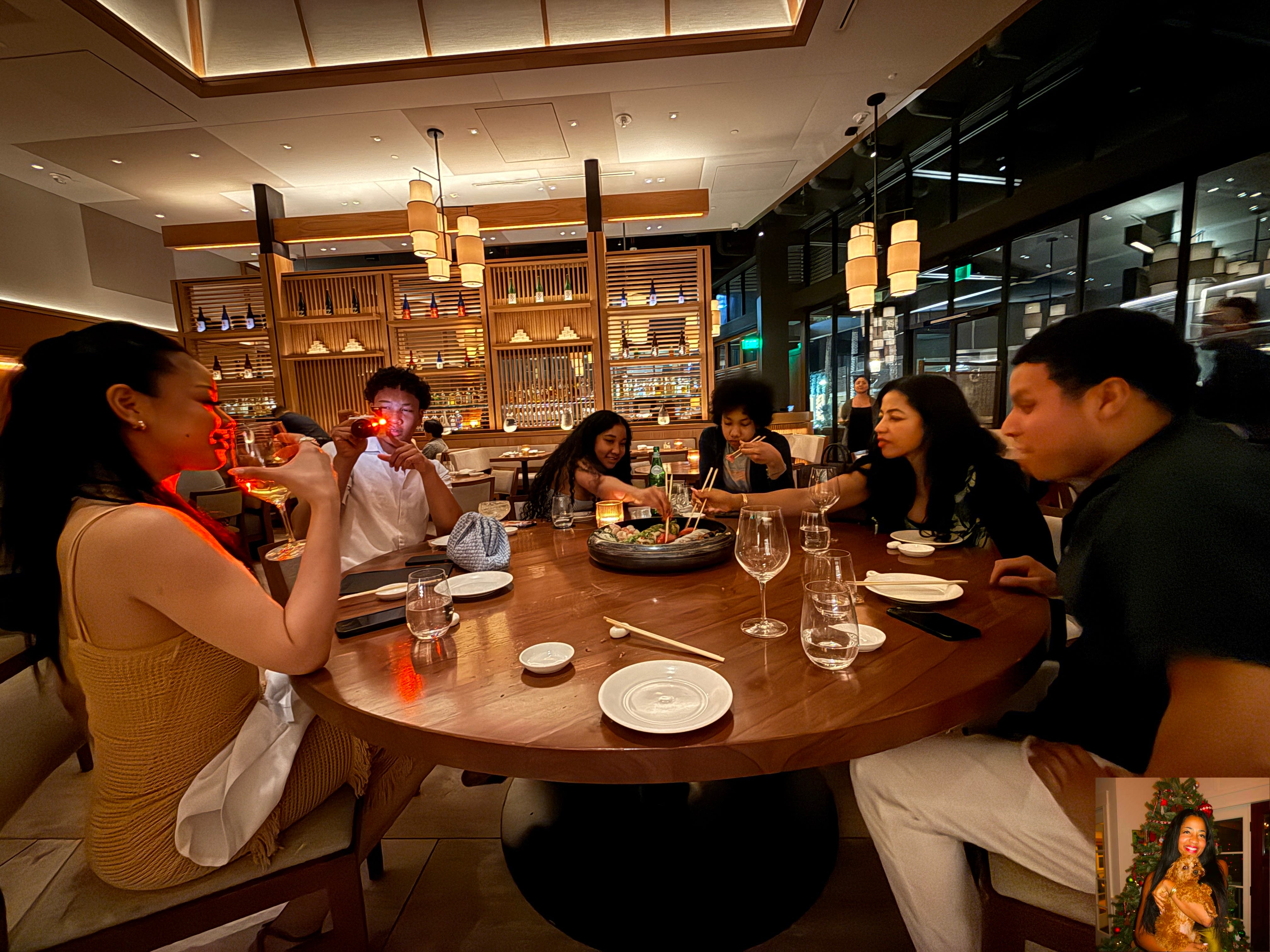
Unlearn: “You were good today”
This is one of those phrases that sounds harmless until you really sit with it.
What does it mean to be “good” with food? Usually it means you ate lightly, controlled yourself, resisted cravings, avoided certain foods, stayed inside the rules. But food does not determine your moral value.
A simple task: The next time you catch yourself saying, I was so good today, replace it with: I made food choices today. Neutral. Honest. No morality attached.
Unlearn: “You were bad today”
If there’s “good,” there’s always “bad.” But, shame is not a healing strategy.
Calling yourself bad after eating doesn’t help you understand what happened.
What helps more is curiosity.
What was I feeling?
What did I need?
Was I hungry? Tired? Restricted? Lonely? Rushed?
What would support me now instead of punishing me?
That shift changes everything.
A simple task: After a meal you feel guilty about asking yourself what happened - get curious about what you were feeling, needed, or the state you were in. From here comes learning how to support yourself better.